- Patient persistence leads to big catches during a captivating fishing frenzy experience
- Understanding Fish Behavior and Habitat
- The Impact of Seasonal Changes
- Essential Fishing Gear and Tackle
- Choosing the Right Rod and Reel
- Mastering Essential Fishing Techniques
- The Art of Fly Fishing
- Navigating Different Fishing Environments
- Adapting to Weather Conditions During a Fishing Frenzy
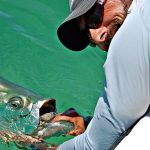
Patient persistence leads to big catches during a captivating fishing frenzy experience
The allure of a fishing frenzy is something deeply ingrained in the human spirit. It’s a primal connection to nature, a test of patience and skill, and a thrilling pursuit of the unexpected. Whether you're a seasoned angler or a complete novice, the excitement of feeling a tug on the line, the anticipation of reeling in a prize, and the challenge of adapting to changing conditions all contribute to the captivating experience. It’s a pastime enjoyed by millions worldwide, offering a peaceful escape from the hustle and bustle of modern life, yet simultaneously providing a surge of adrenaline and competitive spirit.
Successful fishing isn’t just about luck; it's a combination of understanding fish behavior, selecting the right equipment, mastering various techniques, and possessing the unwavering dedication to persevere through slow periods. It's about reading the water, recognizing patterns, and adapting your strategy based on environmental factors like weather, season, and location. From the quiet serenity of fly fishing in a secluded stream to the energetic action of deep-sea angling, the possibilities are endless and the rewards can be tremendous, both in terms of a bountiful catch and the memories created along the way.
Understanding Fish Behavior and Habitat
To truly excel in the pursuit of fish, a deep understanding of their behavior is paramount. Fish are not simply random swimmers; they are creatures of habit, driven by instinct and influenced by environmental conditions. Factors such as water temperature, oxygen levels, food availability, and the presence of predators all play a critical role in determining where and how fish congregate. Different species exhibit distinct preferences, meaning a strategy that works for trout may prove ineffective for bass or salmon. Learning to decipher these subtle cues – the way the light plays on the water, the presence of insect hatches, or the movement of baitfish – can significantly increase your chances of a successful fishing trip. A prime example is understanding that many predatory fish seek cover near structures like fallen logs, submerged vegetation, or rocky outcrops, using these areas as ambush points.
The Impact of Seasonal Changes
Seasonal changes dramatically impact fish behavior, prompting shifts in their feeding patterns, spawning cycles, and overall movement. In the spring, as water temperatures rise, many fish become more active and begin to focus on spawning. This is a particularly productive time for anglers, but also requires a responsible approach to ensure the sustainability of fish populations. During the summer months, fish may seek out deeper, cooler waters to escape the heat, making them less accessible but still catchable with the right techniques. Fall often brings a feeding frenzy as fish prepare for winter, and winter itself can offer unique opportunities for ice fishing, provided safety precautions are observed. Recognizing these seasonal trends is crucial for adapting your approach and maximizing your success.
| Season | Typical Fish Behavior | Effective Fishing Tactics |
|---|---|---|
| Spring | Spawning, increased activity | Use spawning-related lures, fish near spawning grounds (responsibly) |
| Summer | Seeking cooler, deeper water | Target deeper areas, use slower presentations |
| Fall | Feeding frenzy, preparing for winter | Use a variety of lures and baits, fish during peak feeding times |
| Winter | Reduced activity, concentrated in deeper areas | Ice fishing, slow jigging or tip-ups |
Understanding the nuances of each season will help anglers refine their techniques and locate fish more effectively, leading to more rewarding experiences on the water. A keen observation of the surrounding environment, combined with knowledge of fish biology, is arguably the most powerful tool in any angler’s arsenal.
Essential Fishing Gear and Tackle
Having the right gear is obviously essential for a successful and enjoyable fishing experience. The specifics will vary depending on the type of fishing you intend to do – fly fishing, spin fishing, baitcasting, or deep-sea fishing each require specialized equipment. However, some basic items are universal. A quality rod and reel are fundamental, with the choice depending on the target species and the fishing environment. Line selection is also crucial, considering factors like strength, visibility, and abrasion resistance. Beyond the core components, a variety of terminal tackle – hooks, sinkers, swivels, floats – are necessary for rigging your line and presenting your bait or lure effectively. Don’t underestimate the importance of accessories like a tackle box, pliers, line cutters, a net, and a first-aid kit. Investing in durable, well-maintained equipment will not only enhance your performance but also improve your safety on the water.
Choosing the Right Rod and Reel
Selecting the appropriate rod and reel combination is a critical decision. Rods are characterized by their length, power, and action. Length influences casting distance and control, power determines the rod’s ability to handle heavier fish, and action dictates the rod’s bend and responsiveness. Reels come in various sizes and types, each suited for different applications. Spinning reels are popular for their ease of use and versatility, while baitcasting reels offer greater power and precision. When choosing a rod and reel, consider the size and strength of the fish you’re targeting, the type of line you’ll be using, and your personal casting style. A lightweight setup is ideal for smaller fish and finesse techniques, while a heavier setup is necessary for larger species and more demanding conditions.
- Rod Power: Light, Medium, Heavy – how much force it takes to bend the rod.
- Rod Action: Fast, Moderate, Slow – how much of the rod bends when pressure is applied.
- Reel Size: Typically numbered (e.g., 2000, 3000, 4000) – larger numbers indicate larger reels.
- Line Weight: Match the line weight to the rod’s specifications.
Matching the rod and reel is crucial; a mismatched combination can hinder casting accuracy and reduce your chances of landing a fish. It's often helpful to seek advice from experienced anglers or tackle shop professionals to ensure you choose the right gear for your specific needs.
Mastering Essential Fishing Techniques
Beyond having the right gear and understanding fish behavior, mastering a range of fishing techniques is crucial for consistent success. Different techniques are suited for different species, environments, and fishing conditions. Casting is a fundamental skill, and proficiency in various casting techniques – overhead cast, sidearm cast, roll cast – allows you to reach different areas and present your lure or bait effectively. Retrieval is equally important, as the way you bring your lure or bait back to yourself can trigger a strike. Techniques like slow retrieving, fast retrieving, twitching, and jerking can all be used to mimic the movement of prey. Learning to tie strong and reliable knots is also essential, as a weak knot can easily lead to a lost fish. Furthermore, understanding how to use a fish finder to locate structure and fish can significantly improve your chances of success.
The Art of Fly Fishing
Fly fishing is a unique and challenging technique that involves using artificial flies to imitate insects and other food sources. It requires a specialized rod, reel, and line, as well as a mastery of casting techniques like the overhead cast and roll cast. Fly fishing is often practiced in rivers and streams, targeting trout, salmon, and other freshwater species. Selecting the right fly is crucial, and anglers often carry a variety of patterns to match the prevailing conditions. Presentation is key in fly fishing, as the fly must be presented in a natural and enticing manner to fool the fish. The grace and artistry of fly fishing have earned it a dedicated following among anglers worldwide.
- Casting Practice: Consistent practice is essential for developing a smooth and accurate cast.
- Fly Selection: Choose flies that match the local insect life and water conditions.
- Presentation: Present the fly in a natural and enticing manner.
- Hook Setting: React quickly and firmly to any strikes.
Developing proficiency in fly fishing takes time and dedication, but the rewards – both in terms of the challenge and the connection with nature – are immense. It’s a technique that requires patience, observation, and a deep appreciation for the art of angling.
Navigating Different Fishing Environments
The environment in which you fish significantly impacts the techniques and strategies you employ. Fishing from a boat offers greater mobility and access to different areas of the water, but requires knowledge of boat handling and safety procedures. Shore fishing is more accessible but limits your range and requires careful consideration of casting angles and potential obstructions. River fishing presents unique challenges, as currents and varying depths can affect your presentation. Lake fishing often involves searching for structure and identifying areas where fish congregate. Deep-sea fishing requires specialized equipment and techniques, as well as an understanding of ocean currents and weather patterns. Regardless of the environment, always prioritize safety, be aware of your surroundings, and respect the natural habitat.
Adapting to Weather Conditions During a Fishing Frenzy
Weather conditions exert a powerful influence on fish behavior, and successful anglers learn to adapt their strategies accordingly. Changes in air pressure, temperature, wind speed, and cloud cover can all affect where fish are located and how actively they are feeding. Before heading out, check the forecast and be prepared for potential changes. On sunny days, fish may seek out shade or deeper water. During cloudy or overcast conditions, they may be more active in shallower areas. Wind can create currents and chop, which can both concentrate and disperse fish. Rain can also stimulate feeding activity, but it can also make conditions more hazardous. Being able to read the signs and adjust your approach based on the weather is a mark of a skilled angler. A true fishing frenzy can be truly enhanced – or ruined – by adapting to the elements.
Remember to always prioritize safety when fishing in inclement weather. Wear appropriate clothing, bring rain gear, and be prepared to return to shore if conditions become too dangerous. Knowing when to call it a day is as important as knowing when to cast your line. A responsible angler respects both the fish and the environment, ensuring that future generations can enjoy the thrill of the pursuit.