There’s a particular kind of player who opens a casino lobby with no intention of settling in. They’ve got ten minutes between tasks, maybe a coffee break, and they want something that resolves fast. On Zoome, that instinct fits the platform’s design almost too well. The catalogue is enormous — north of 7,000 titles — but the players I’m describing don’t browse it like a library. They hunt. They know what they want, they load it, they play, and they’re gone. This piece is about that rhythm: the short, high-intensity session where every decision happens in seconds and the exit is as deliberate as the entry.
If you’ve read a Zoome review before, you’ll know the headline numbers: the welcome package, the provider list, the crypto cashouts. Those matter, but they’re not what shapes a ten-minute session. What shapes it is speed — of loading, of betting, of settling. And that’s where the quick-outcome player either finds a home or doesn’t.
Why the Fast Session Format Suits This Lobby
Short-session players are ruthless about friction. Anything that slows the loop gets abandoned. On Zoome, the loop is short by design: pick a game, set a stake, spin or deal, see the result, decide again. Slots and instant win titles dominate this behaviour because there’s no waiting for other players, no dealer pace to respect, no table etiquette. You’re alone with the outcome.
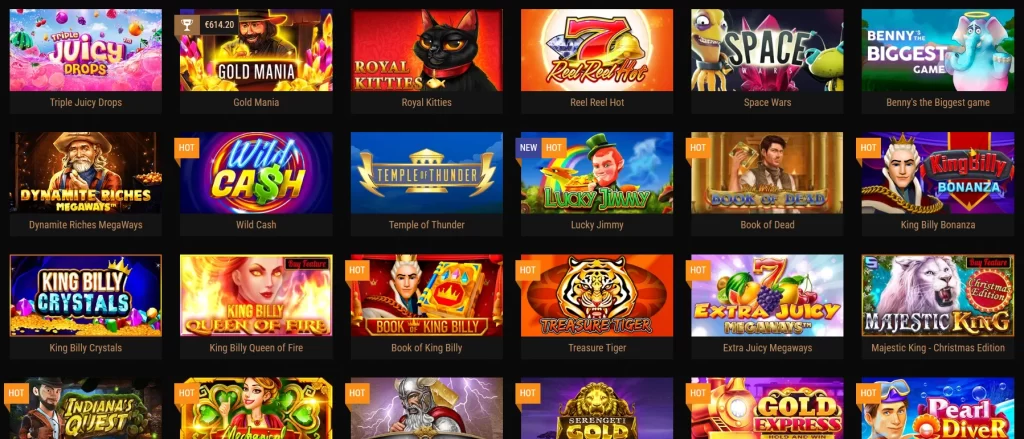
The provider spread matters here more than it might seem. With studios like Hacksaw, Thunderkick, Turbo Games, and Spribe in the mix, there’s a steady supply of titles built around fast resolution — crash-style mechanics, instant-win scratch formats, slots with short base games and volatile bonus triggers. A player chasing quick outcomes isn’t going to sit through a five-minute bonus round with a cinematic intro. They want the result inside fifteen seconds. The lobby accommodates that taste without forcing it.
What the fast player typically does in practice:
- Opens the site, logs in, and goes straight to a saved favourite or a recently played tile — rarely the full catalogue
- Sets a stake they’re comfortable losing entirely within the session, not across the week
- Plays in bursts of ten to thirty spins, then reassesses rather than grinding
- Leaves the moment the session budget is spent — no “one more” spiral
That last point separates the disciplined quick player from the impulsive one. The format rewards the former.
Decision Timing Under Pressure
In a high-intensity session, decisions compress. There’s no time for elaborate bankroll spreadsheets. What replaces them is instinct trained by repetition — you learn within a few sessions what a comfortable stake feels like when you’re only playing for eight minutes.
The three-second rule
Experienced short-session players often describe a simple internal rule: if a stake adjustment takes more than a few seconds to justify, it’s probably the wrong adjustment. The logic is that fast formats punish hesitation as much as recklessness. You either know your number or you’re guessing. Guessing under time pressure is how sessions go sideways.
Consider a realistic scenario. A player loads an instant-win title with a fixed budget of twenty units. First five results go against them. The impulsive move is to double the stake to “recover.” The quick-session veteran does the opposite — drops the stake slightly, extends the number of outcomes they can afford, and lets variance do its work across more spins rather than fewer. Same budget, more decisions, better spread of risk. That’s controlled risk-taking compressed into seconds.
Knowing when the clock wins
Time is a stake in these sessions too. A player who planned ten minutes and is still spinning at forty has already lost something, regardless of the balance. The best quick-session players set a soft timer alongside a hard budget. When the timer goes, the session ends even if they’re up. Especially if they’re up — because the temptation to convert a good short session into a bad long one is exactly the trap this format sets.
Reading the Platform Through a Speed Lens
From a fast player’s perspective, the Zoome interface earns its keep by staying out of the way. Mobile browser play is smooth on both Android and iOS, no download required, and the layout adapts to smaller screens without burying the balance or the spin button. For someone playing in a queue or on a commute, that responsiveness is the whole experience. A laggy lobby kills the format faster than a losing streak.
Payments get judged by the same standard. The platform advertises crypto withdrawals in as little as 0–12 hours and e-wallet or Interac cashouts inside 24 hours, which matters to short-session players for a simple reason: they don’t want a win sitting in limbo for days. Fast in, fast out — the session ends cleanly when the money moves cleanly. It’s worth noting that player feedback on Trustpilot and forums has flagged verification friction and withdrawal disputes, so the quick player’s habit of completing document checks early, before the first cashout request, is more than housekeeping. It’s part of keeping the loop short.
Support fits the same picture. Live chat runs 24/7, and a fast player uses it the way they use everything else — briefly, for a specific problem, then back to play or out the door.
The Bonus Question for Players Who Don’t Linger
Here’s where the short-session mindset collides with promotional mechanics. The headline welcome offer — 275% up to 3,250 EUR plus 250 free spins — is generous on paper, but its terms are built for players who stick around. Forty times wagering, a seven-day window, a five-euro maximum bet while clearing, and a 150 EUR cap on winnings from the welcome free spins. A player who plays in ten-minute bursts can still clear it, but only if they treat the wagering requirement as a project rather than a session.
That’s not a reason to ignore bonuses. It’s a reason to separate them from fast play. The pragmatic approach many quick-session players take:
- Claim the bonus, then run dedicated clearing sessions separate from casual quick bursts
- Keep the maximum-bet rule in mind — an instinctive stake jump during a fast session can void progress
- Watch the free-spin activation window (24 hours) and wagering window (seven days) rather than discovering them late
- Treat ongoing reloads, cashback, and tournaments as optional extras, not obligations
The VIP ladder works similarly. Points accumulate through play, and higher tiers bring increased cashback and faster withdrawals — genuinely useful to frequent players, but the progression is a slow burn, not a sprint. A short-session player climbs it by showing up often, not by staying long.
What the Fast Format Demands of You
None of this works without self-imposed structure. The platform provides speed; the player provides the brakes. Short sessions feel low-stakes precisely because they’re short, and that feeling is what makes them dangerous — ten minutes becomes twenty, twenty becomes an evening, and the budget that seemed generous at the start is gone before the timer was ever checked.
The players who genuinely enjoy this style of play share a few habits. They decide their number before logging in, not after. They play one or two titles per session rather than hopping across the catalogue chasing a hot streak. They accept that most short sessions end roughly where they started, and they treat that as a fine outcome — the entertainment was the point. And they walk away when the clock says so, which is the hardest habit of all to build and the one that makes everything else sustainable.
Claim Your Bonus & Start Winning Big
If the quick-outcome rhythm sounds like your kind of play, Zoome gives you the speed and the catalogue to run it well. Set your budget, pick your title, keep the sessions short, and let the platform handle the rest. Claim your bonus, keep your decisions fast and your exits deliberate, and the short session becomes the most efficient way to play.